CVE, Rehabilitation & Reintegration
Capacity building for practitioners, trauma-informed reintegration frameworks, and do-no-harm data collection for individuals and communities affected by violent extremism — across Iraq, Syria, and the MENA region.
Our Approach
Countering violent extremism requires more than security interventions — it requires a sustained investment in the rehabilitation of individuals affected by extremism and the reintegration of those individuals into communities prepared to receive them. Aligning Cultures designs and delivers programming that builds the human capital needed to make this work happen effectively and ethically.
Our approach is grounded in a needs-and-strengths methodology — one that sees individuals as more than their offense, recognizing that sustainable rehabilitation requires addressing trauma, identity, family dynamics, and economic opportunity simultaneously. We build the capacity of frontline practitioners rather than substituting for them, ensuring that communities have the skilled professionals they need to sustain rehabilitation work long after any single program ends.
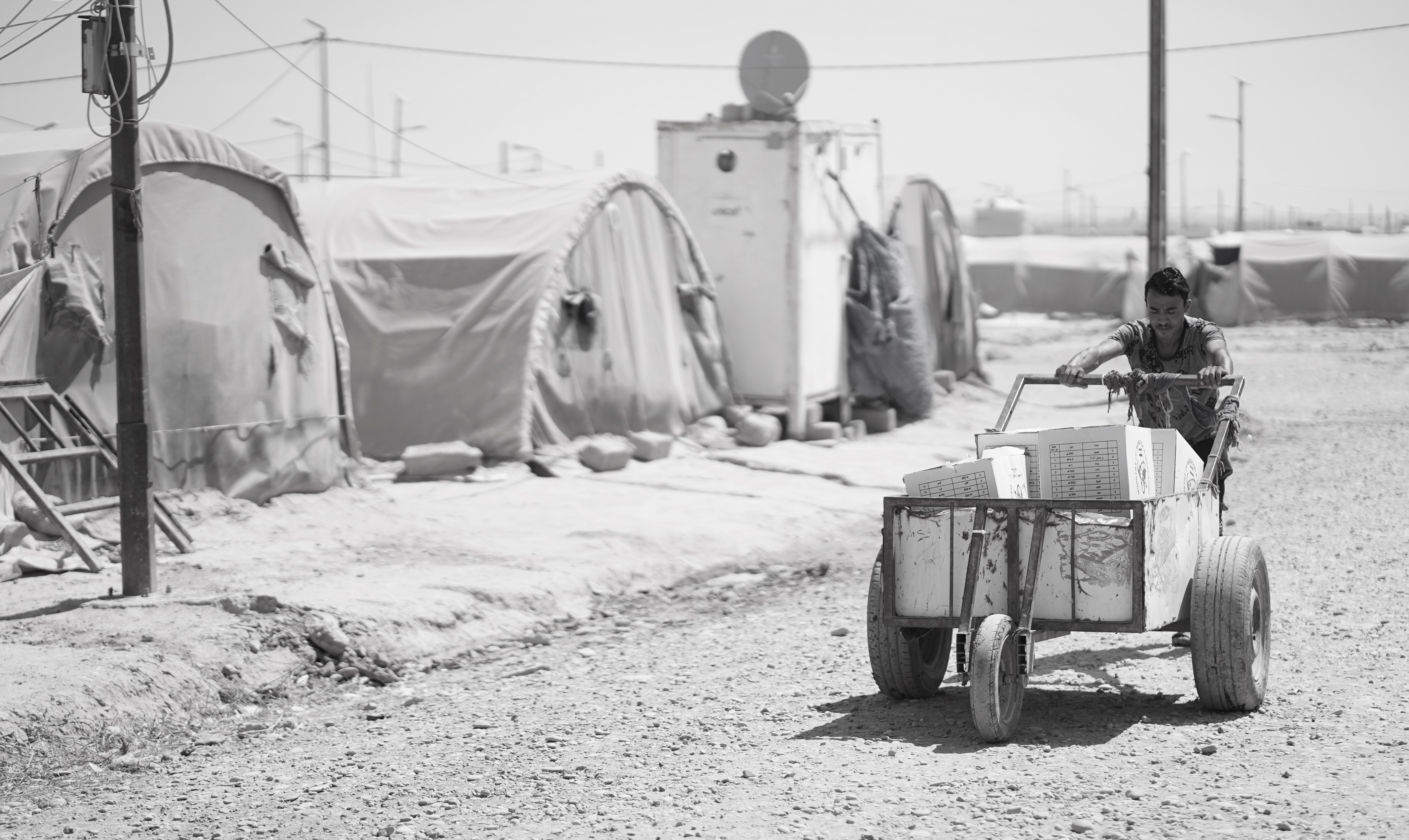
In the MENA region — where hundreds of thousands of individuals were directly affected by ISIS, and where thousands more remain in detention facilities and camps waiting for resolution — this work is urgent. Aligning Cultures has been at the intersection of CVE practice and humanitarian response for over two decades, developing approaches that are rigorous, context-specific, and deeply human.
Key Activities
Rehabilitation Capacity Building
Training psychologists, social workers, and prison staff in trauma-informed, needs-and-strengths assessment methodology for CVE practitioners
Self-Care for Frontline Staff
Workshops addressing secondary trauma experienced by practitioners working daily in rehabilitation and reintegration settings
Repatriation & Reintegration Support
Supporting the safe, dignified return and community reintegration of individuals and families from conflict zones and detention facilities
CVE Data Collection Training
Training local enumerators in trauma-informed, do-no-harm data collection methodology for CVE research and programming
Our approach is grounded in a needs-and-strengths methodology — one that sees individuals as more than their offense, recognizing that sustainable rehabilitation requires addressing trauma, identity, family dynamics, and economic opportunity simultaneously. We build the capacity of frontline practitioners rather than substituting for them, ensuring that communities have the skilled professionals they need to sustain rehabilitation work long after any single program ends.
In the MENA region — where hundreds of thousands of individuals were directly affected by ISIS, and where thousands more remain in detention facilities and camps waiting for resolution — this work is urgent. Aligning Cultures has been at the intersection of CVE practice and humanitarian response for over two decades, developing approaches that are rigorous, context-specific, and deeply human.
Building Frontline CVE Capacity in Iraq
Advanced Capacity Building for Psychologists and Social Workers
On behalf of Hedayah — the International Centre of Excellence for Countering Violent Extremism — and in partnership with the National Committee for Countering Violent Extremism (NCCVE) and the European Union Advisory Mission (EUAM) Iraq, Aligning Cultures co-delivered an Advanced Capacity-Building Workshop for psychologists and social workers engaged in the rehabilitation and reintegration of detainees convicted of extremism-related offenses. The training equipped practitioners with trauma-informed assessment tools, evidence-based intervention techniques, and practical frameworks for managing the complex psychological dimensions of radicalization and deradicalization.
Self-Care Training for Prison Staff
Frontline practitioners working in rehabilitation settings carry an invisible burden — secondary trauma accumulated through daily exposure to stories of violence, radicalization, and human suffering. Aligning Cultures delivered self-care training to Iraqi social workers and prison staff on behalf of Hedayah, supported by EUAM Iraq. This training was not peripheral to the rehabilitation mission — it was central to it. Practitioners who cannot manage their own psychological health cannot effectively support the recovery of others. By investing in the wellbeing of frontline staff, we invest in the long-term effectiveness of Iraq's rehabilitation system.
Repatriation and Reintegration from Al-Hol and Conflict Zones
Aligning Cultures was recognized by the Government of Iraq and the United Nations Office for Counterterrorism (UNOCT) to participate in the High-Level International Conference on the Repatriation of Persons from Al-Hol, Surrounding Camps, and Places of Detention at UN Headquarters in New York. This recognition reflects our expertise in the complex human dimensions of CVE reintegration and our standing as a trusted partner in the international community working on these issues.
The repatriation of individuals from camps like Al-Hol and Roj — where the majority of residents are women and children — is one of the most complex humanitarian challenges in the MENA region. Aligning Cultures brings programming expertise at the intersection of CVE, trauma-informed care, community reintegration, and gender-sensitive approaches to this challenge, working with governments, international organizations, and local CSOs to design reintegration pathways that are safe, dignified, and sustainable.
Trauma-Informed Data Collection for CVE Research
Evidence-based CVE programming requires high-quality data — but data collection in conflict-affected settings is inherently sensitive. Aligning Cultures has trained over 26 enumerators across Iraq in trauma-informed, do-no-harm data collection methodology, equipping them with the skills to collect data on rehabilitation and reintegration efforts safely, accurately, and ethically. Our enumerator training emphasizes the importance of informed consent, psychological safety for respondents, rigorous data quality standards, and the ethical responsibilities of researchers working with vulnerable populations.
Applying Do-No-Harm Principles Across All CVE Data Work
Every data collection activity Aligning Cultures designs begins with a harm assessment — asking not just what data we need, but what risks our data collection process might create for respondents, enumerators, and communities. In CVE contexts, where individuals may face legal consequences for their associations or disclosures, this ethical foundation is not optional — it is essential. Our do-no-harm protocols have been refined through years of field experience across Iraq, Syria, Mauritania, and the broader MENA region.
Sample Projects
Hedayah – Advanced Capacity Building for Psychologists and Social Workers, Iraq
Hedayah / EUAM Iraq – Self-Care Training for Social Workers and Prison Staff
UNOCT / Government of Iraq – UN High-Level Conference on Al-Hol Repatriation, New York
Multiple Partners – Enumerator Training for Rehabilitation Data Collection
IOM – Weaving the Threads of Resilience (WTR), Iraq
All Services
Impact at a Glance
Work With Us
Interested in partnering with Aligning Cultures on cve, rehabilitation & reintegration programming across Iraq, MENA, or the Horn of Africa?
Get in Touch