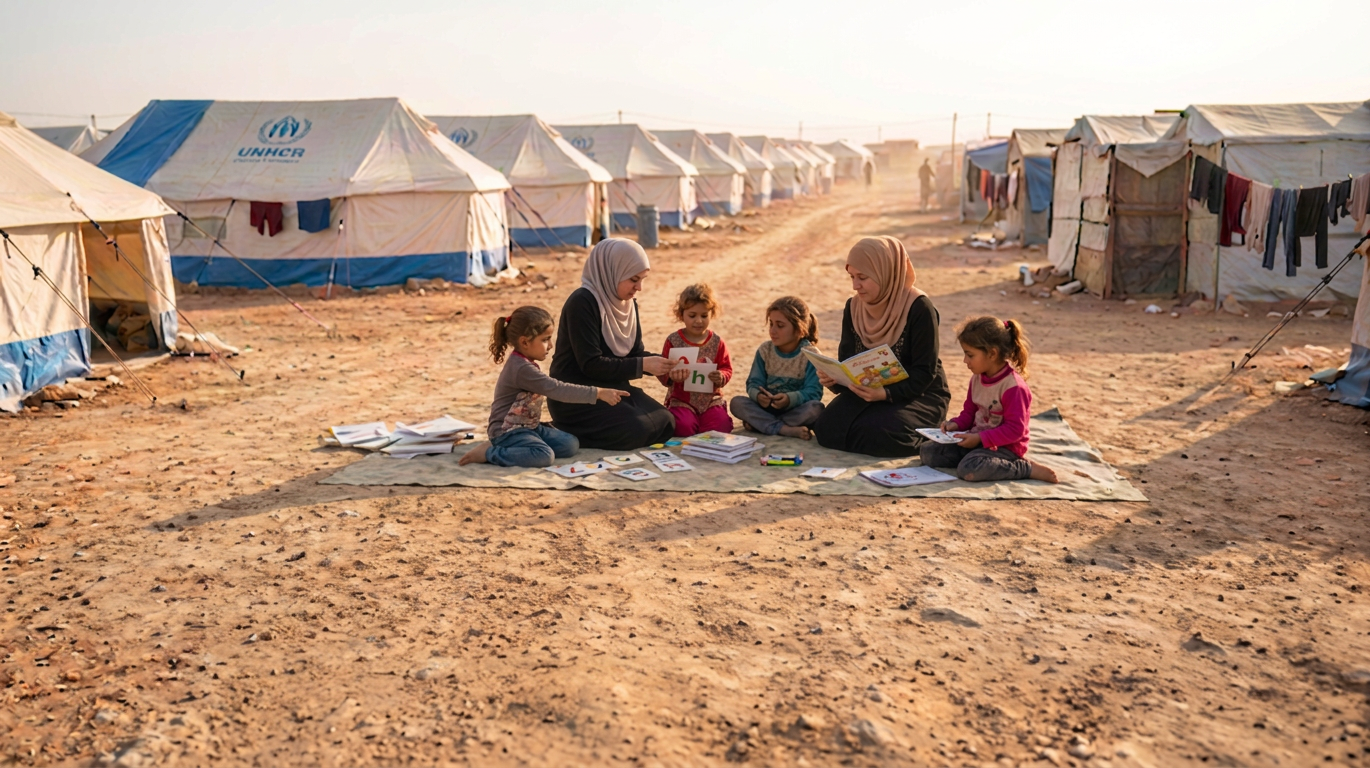
"El Fasher is in dire need of every possible assistance, and I did not want to take any chances."
Those words were spoken by the local director of a civil society organization based in El Fasher, Darfur — one of the most dangerous places on earth right now, and the site of an escalating humanitarian catastrophe. They are among the most quietly courageous words we have heard in years of this work.
The Context
The cessation of US foreign aid and the disbandment of USAID have sent shockwaves through civil society organizations across the MENA region and beyond. For many local CSOs — organizations doing essential work with lean teams and limited reserves — the loss of that funding stream has been existential. Over the past few months, Aligning Cultures has been working alongside several of these organizations to help them adapt, reviewing their policies, strengthening their operations, and positioning them for new donor relationships.
In Sudan, that work brought us to a collaboration with a CSO in El Fasher, Darfur, where the humanitarian situation has dramatically worsened over the past year.
The Decision
Together, we developed a strong proposal in response to a UK donor call seeking innovative solutions to the ongoing crisis. The proposal was comprehensive and well-argued. But during compliance review, we identified a critical gap — one element that the organization could not fulfil given the realities of operating in an active conflict zone. The director faced a choice: submit anyway and hope the donor would understand the circumstances, or find another path. He chose the harder road.
Rather than risk disqualification — and with it, the loss of desperately needed assistance for El Fasher — he reached out to another NGO that could meet the missing requirement. He handed over the full proposal. He facilitated introductions, reviewed the revised submission as an outside advisor, and stepped back entirely. No consortium arrangement. No positions for his staff. No credit.
"I believe the proposal is strong, and I would regret it if we encountered disqualification."
What This Means
In a sector that sometimes struggles with organizational ego and competition for funding, this director chose something rarer: complete subordination of his institution's interests to the needs of his community. He didn't do it for recognition. He did it because people in El Fasher needed help, and he refused to let the process stand in the way of that.
Stories like his are why we believe so deeply in the power of local leadership. The most important work is often done by people whose names never appear on the final report. This one deserves to be remembered.