Misinformation is a global problem — but its consequences are not felt equally everywhere. In post-conflict communities, a single false rumor about a security incident or humanitarian aid can have life-altering consequences.
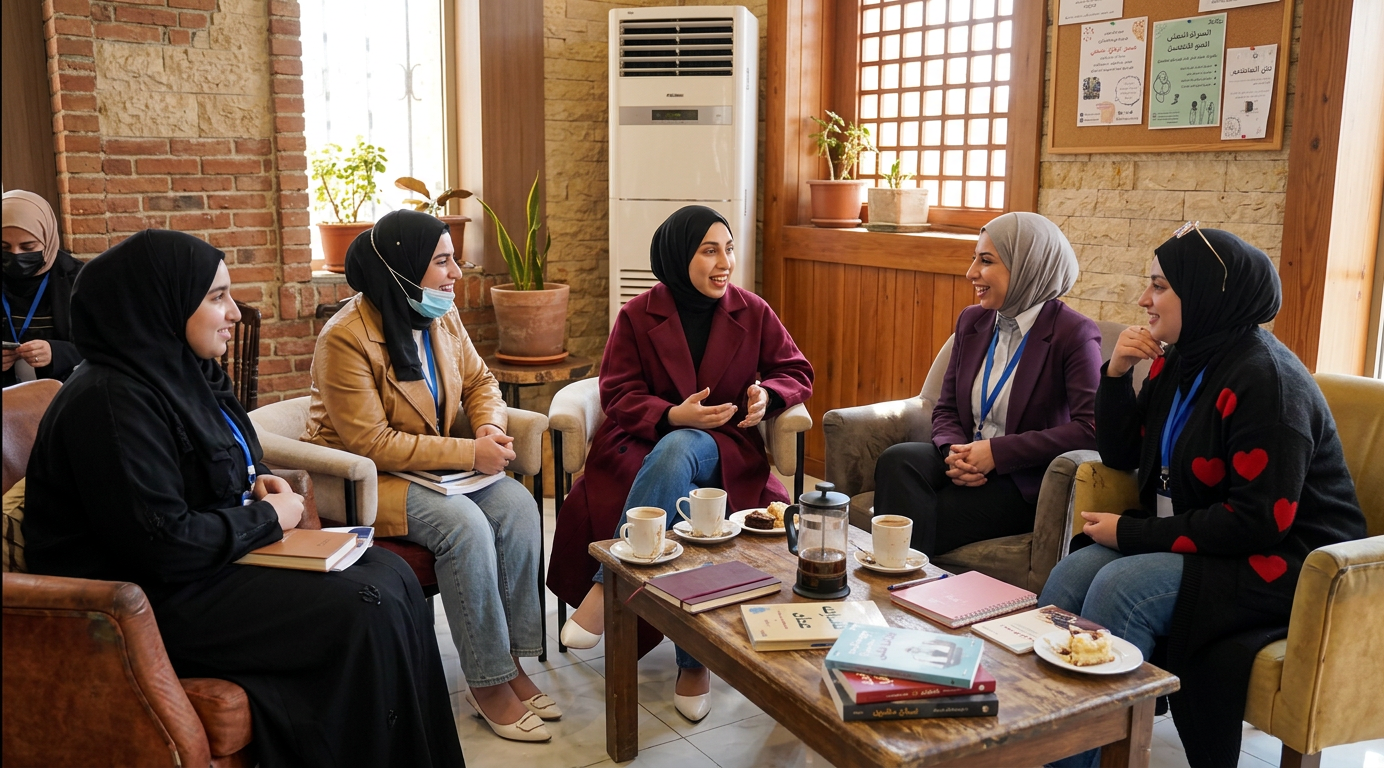
Over the past few weeks, our local partners conducted field research across three Iraqi provinces — Anbar, Ninewa, and Diyala — to understand how people perceive social media and assess which sources they trust. Here is what they found.
Key Findings: Trust in a Fragmented Information Landscape
People Are Skeptical — and for Good Reason
Most respondents expressed distrust in social media as a news source. Rather than turning to formal media, people rely most on friends and family for local news, believing their close social circles to be more accurate and less politically motivated. Respondents who trusted friends and family emphasized the perceived lack of motivation among these sources to falsify news and their diligence in verifying local events. This reflects not naivety but a rational response to years of exposure to politically manipulated media in a conflict-affected region.
Facebook and TV Are Used But Not Trusted
While both platforms were commonly mentioned as news sources, respondents viewed them with considerable skepticism — seen as biased, prone to exaggeration, and selective in what they cover. Respondents feel that the media is often politically motivated and covers certain aspects of the community unfairly while ignoring others. For those who trusted specific Facebook pages or TV channels, the common reason was the proximity of these channels to the events and their consistent reliability over time.
Fake News Causes Real, Measurable Harm
The majority of respondents indicated that misinformation is either a serious problem or somewhat of a problem in their area. Respondents linked the spread of misinformation directly to fear, social division, and poor decision-making. This was especially acute around sensitive topics: security incidents, regional political dynamics, and the distribution of humanitarian aid. The prevalence of misinformation in these areas reflects broader issues of trust and information verification in the media landscape.
What This Means for Peacebuilding in Iraq
These findings point to a community that is media-aware but media-wary — and that distinction matters. The widespread distrust in social media platforms underscores the urgent need for enhanced digital literacy and robust fact-checking mechanisms. Misinformation spread via social media not only erodes public trust but also undermines social cohesion — precisely the cohesion that post-conflict communities in Anbar, Ninewa, and Diyala need to rebuild.
Rebuilding trust will require more than fact-checking tools. It calls for sustained investment in media literacy, stronger journalistic standards, and community-based watchdog mechanisms that people can relate to. At Aligning Cultures, our strategic communications work in Iraq is designed around exactly these principles — building messaging infrastructure that communities trust because it is rooted in communities themselves.
Recommendations for Stakeholders
To address the pervasive issue of misinformation and rebuild public trust in the media, a multifaceted approach is essential. Launching nationwide media literacy programs can equip the public with the skills to critically evaluate information, identify credible sources, and recognize misinformation. Establishing independent media watchdogs to monitor and report on media bias and accuracy will foster accountability and enhance public trust. Advanced technologies such as AI should be utilized to detect and counteract misinformation in real-time. Rebuilding public trust in traditional media through initiatives that emphasize journalistic integrity, transparency, and public engagement is imperative.